
Understanding PCOS: Looking Beyond the Diagnosis
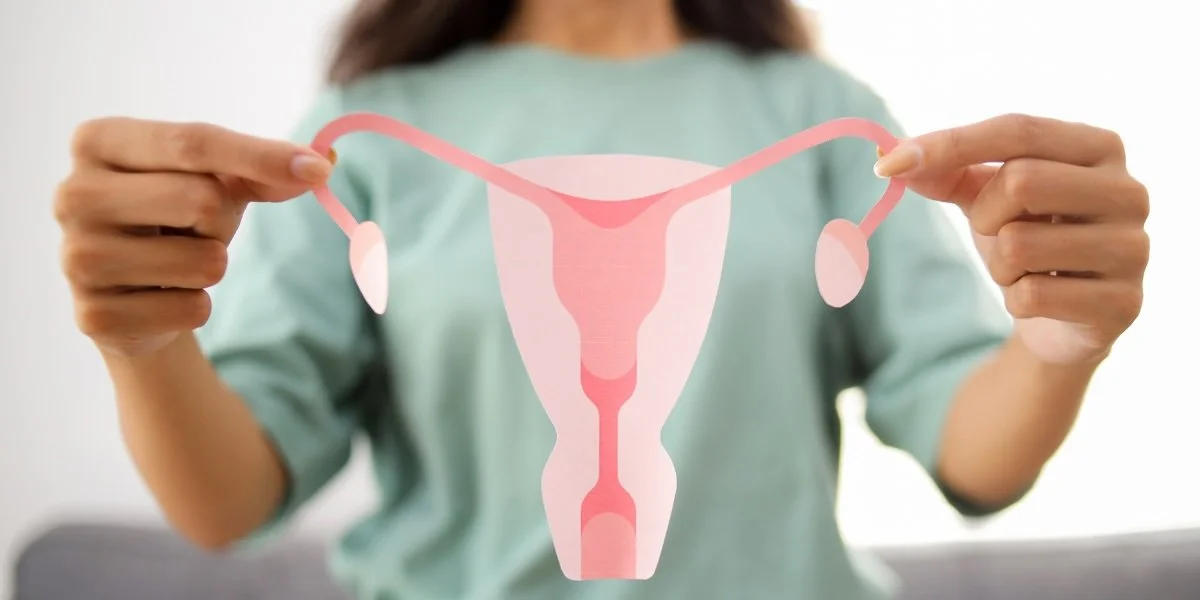
If you or a loved one has recently been diagnosed with Polycystic Ovary Syndrome (PCOS), you're not alone. The Spring, Natural Medicine is here to help.
PCOS is a complex metabolic and hormonal disorder that affects approximately 10–13% of women of reproductive age globally, making it one of the most common hormonal disorders worldwide and a condition that I see increasingly in my clinical practice. While the condition is quite common, many of my clients have suffered from confusing symptoms for years before receiving a PCOS diagnosis, and the World Health Organization estimates that up to 70% of women with PCOS remain undiagnosed globally.
The development of PCOS often involves a variety of factors, including but not limited to genetics, hormones, metabolism, environmental, and lifestyle influences.
At The Spring Natural Medicine, we believe that understanding why symptoms are occurring is just as important as treating them. This is part of why I continually see that a functional approach to PCOS can provide more than just symptom management—a whole-person approach takes into account the complexity of a PCOS diagnosis and helps create a long-term strategy that supports metabolic and hormonal health.
PCOS and the Bigger Picture
Despite its name, PCOS is more than an ovarian condition. Since every system in the body is affected by hormones and metabolic health, PCOS can have wide-reaching impacts physically, mentally, emotionally, and even socially.
While hormonal conditions can be complicated to identify and diagnose, especially during the reproductive years, PCOS is typically diagnosed when someone has at least two of the following three features:
Irregular or absent ovulation (which often causes irregular menstrual cycles)
Elevated androgen ("male") hormones or signs of androgen excess, such as acne or increased facial or body hair
Polycystic-appearing ovaries on ultrasound (although not every woman with PCOS has ovarian cysts)
Every woman's experience with PCOS is unique, and so are her symptoms. However, I often find irregular or absent periods to be one of the most common symptoms in my practice because PCOS impacts whether or not ovulation occurs.
Common Signs and Symptoms
Symptoms may include:
Irregular or missed periods
Difficulty becoming pregnant or infertility
Acne
Excess facial or body hair (hirsutism)
Hair thinning or hair loss
Weight gain or difficulty losing weight
Fatigue
Mood changes
Blood sugar fluctuations
Darkened areas of skin (acanthosis nigricans), often associated with insulin resistance
Unmanaged PCOS can also contribute to the development of endometriosis.
Why Does PCOS Develop?
Researchers believe PCOS develops from a combination of genetics, hormones, metabolism, and environmental influences. There isn't one single cause—which is why a functional, personalized approach can be so beneficial in managing PCOS.
One of the biggest factors I see again and again with clients who have PCOS is the role of metabolic health in its development—particularly insulin resistance.
All day, every day, our bodies are working hard to keep our blood sugar balanced. One of the primary ways they do this is through the hormone insulin. Insulin helps move sugar from our bloodstream into our cells, where it can be used for energy. Having too much sugar in our blood, or high blood sugar, is a serious condition with significant health impacts, so our bodies work very hard to maintain balance.
However, chronic blood sugar imbalance and metabolic dysfunction can make our cells less responsive to insulin, causing the body to produce more insulin to compensate. Over time, this compensation can make our cells so insensitive to insulin that we become insulin resistant, resulting in chronically elevated insulin levels.
One of the reasons PCOS can include symptoms like irregular ovulation, acne, and abnormal or unwanted hair growth is because higher insulin levels can stimulate the ovaries to produce more androgens (male sex hormones).
Research suggests that approximately 50–70% of women with PCOS experience insulin resistance, even women who are not overweight.
The Broader Impacts of Blood Sugar Imbalance
Diabetes
Because insulin resistance is so common, women with PCOS also have an increased risk of developing prediabetes and Type 2 diabetes.
Part of the reason I care so much about hormonal and metabolic health is that it has a profound impact on our quality of life. So much so that the CDC reports that more than half of women with PCOS develop Type 2 diabetes by age 40 if appropriate preventive measures are not taken.
While all of this information can feel stressful and scary, our bodies are always trying to heal and regain balance. I understand that supporting healthy blood sugar through nutrition and lifestyle is one of the cornerstones of long-term PCOS management and part of why I believe functional medicine has so much to offer.
Chronic Inflammation
Emerging research suggests that many women with PCOS experience low-grade chronic inflammation. While our bodies naturally need some inflammation as part of the healing process, chronic low-grade inflammation can contribute to a number of health concerns, including insulin resistance, hormone imbalances, and increased cardiovascular risk.
Hormones
Hormones work as an interconnected system. They are the chemical messengers of the body and play a role in nearly every physiological function. This is why mitigating the hormonal impacts of PCOS is so important.
When working with clients who have, or suspect they have, PCOS, we look at a variety of factors that play key roles in hormone health, including thyroid function, chronic stress, cortisol levels, sleep quality, nutrient deficiencies, chemical exposure, mineral balance, and more.
Rather than focusing on a single hormone, I approach PCOS—and all metabolic and hormonal conditions—by considering how the body's systems interact. Just as dysfunction in one system can affect the rest of the body, bringing balance and healing to one area can support overall, long-term health.
Nutrition Is Key
My work with clients always involves nutrition, and because everyone is unique, my approach focuses on personalized dietary plans and strategies. Since PCOS doesn't develop overnight, long-term management should include sustainable, supportive lifestyle and dietary changes.
While I tend to avoid a one-size-fits-all approach, the following are general dietary principles that can support the management of PCOS:
High-quality protein at every meal
Fiber-rich vegetables
Healthy fats
Limiting added sugars and highly processed foods
Whole-food sources of carbohydrates, ideally complex carbohydrates
Adequate fiber intake
Regular meal timing
Adequate hydration
Rather than focusing on restriction, functional nutrition focuses on nourishing the body while supporting stable blood sugar, hormone balance, and long-term metabolic health.
Lifestyle as Medicine
The quality of our lives and lifestyles affects every health concern I work with, and PCOS is no exception. Research continues to show that lifestyle interventions are considered a foundational part of PCOS management, and it's something I see in my practice all the time.
We can do all the "right things," but if we're struggling with key lifestyle factors like sleep, movement, and stress, managing nearly any condition becomes more challenging.
My work is largely about empowering and educating my clients so that we can work together to create sustainable lifestyle changes.
Some lifestyle habits that can support PCOS management include:
Regular strength training
Daily walking or gentle movement
Prioritizing restorative sleep
Maintaining a consistent sleep schedule
Stress management
Eating balanced, nutritious meals consistently
Making space for joy, connection, and fulfilling activities
Spending time outside
And so much more!
We don't change habits overnight, and it's important to remember that every small, sustainable change can make meaningful improvements over time.
You're Not Alone
PCOS is unfortunately common in our modern world, and living with it can be confusing and overwhelming. However, many people can successfully manage their symptoms and address some of the primary contributors to PCOS, such as insulin resistance.
With education, individualized nutrition, lifestyle support, and appropriate medical care, many women experience meaningful improvements in both their symptoms and quality of life!
At The Spring Natural Medicine, our goal is to partner with you to better understand what your body is communicating and develop a personalized plan that supports all aspects of your health in a compassionate and supportive environment.
If you're experiencing symptoms of PCOS or would like guidance in creating a nutrition plan tailored to your unique needs, we'd love to help.